
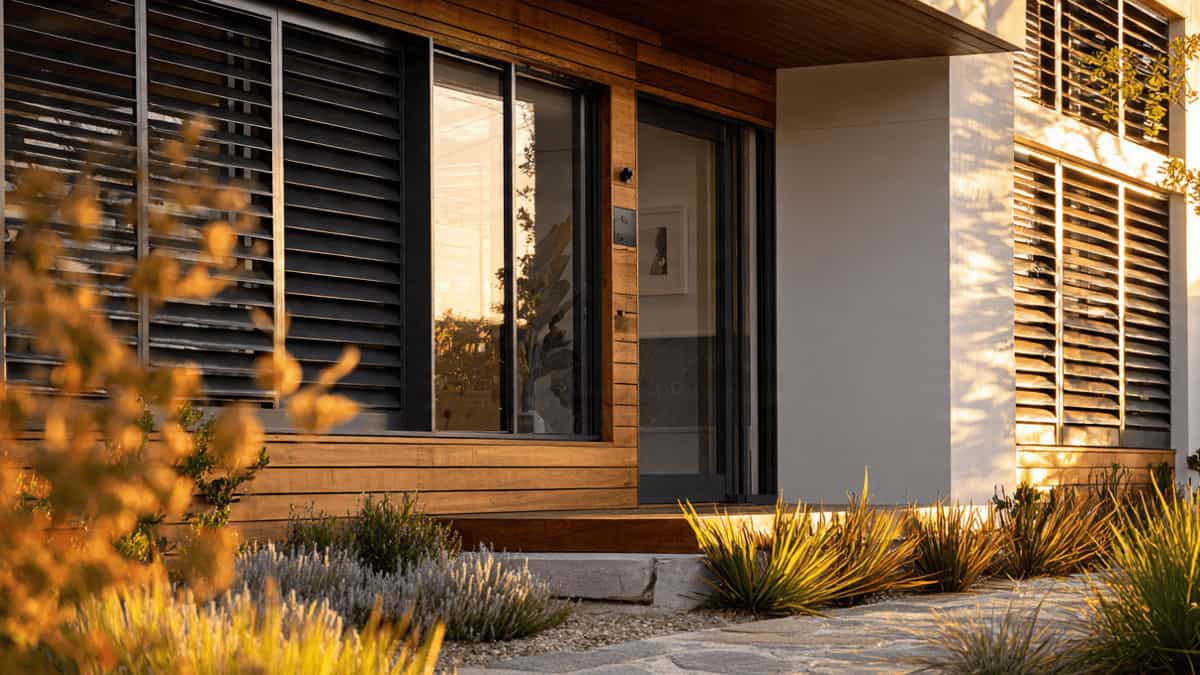
Aluminium plantation shutters have quietly become an Australian architectural staple, blending colonial charm with modern engineering. But beyond their crisp, clean aesthetics lies a story of survival — engineered to withstand some of the world’s most punishing climates. From the salt-sprayed coasts of Queensland to the scorching inland plains, aluminium shutters don’t just decorate homes; they protect them. Here’s what manufacturers won’t always tell you about their real-world performance under the Australian sun, wind, and storm.
What Exactly Are Aluminium Plantation Shutters?
Traditional vs. Modern:
Originally, plantation shutters were timber—a stylish but high-maintenance choice prone to warping in humidity. Modern aluminium versions replicate the same wide-louvered look but are built from powder-coated aluminium extrusions, offering unmatched durability and weather resistance.
Why Australia Adopted Them Faster:
Australia’s extreme climate diversity demanded a material that could handle coastal salt, desert heat, and tropical storms—all while remaining low maintenance. Aluminium’s natural corrosion resistance and strength made it the obvious choice over timber or PVC, especially as energy efficiency standards tightened.
Learn more about aluminium’s versatility:
Versatility of Aluminium in Construction & Automotive
The Silent Hero: How Aluminium Slats Actually Work (Explained Simply)
- Aerodynamics of Louvers:
The tiltable slats are designed to redirect airflow while blocking direct sun. When angled correctly, they promote cross-ventilation without letting in rain or harsh glare. - Heat Reflection:
Aluminium’s reflective surface, especially in light colours, bounces back a significant portion of solar radiation—reducing heat absorption by up to 30% compared to timber. - Sliding vs. Hinged:
Outdoor shutters are often sliding or bifold to withstand high winds. Hinged designs are used indoors or in sheltered areas.
Australia’s Harsh Climates: Where Aluminium Plantation Shutters Shine
1. Coastal Zones (Gold Coast, Cairns, Perth)
- Salt Spray Resistance:
Marine-grade aluminium alloys (e.g., 6063-T6) resist pitting and corrosion. Powder coating adds an extra barrier. - Corrosion Test Comparison:
Aluminium outperforms steel and timber in salt fog testing, with no rust or rot.
2. Hot Inland Regions (Adelaide, Alice Springs)
- UV Stability:
Quality powder coatings (e.g., polyester or super-durable polyurethane) resist fading, even after years of intense UV exposure. - Thermal Performance:
Aluminium shutters with thermal breaks can reduce indoor temperatures by several degrees, lowering cooling costs.
3. Storm & Cyclone Regions (QLD North)
- Wind Load Performance:
Cyclone-rated shutters are tested to withstand wind speeds exceeding 200 km/h. Look for AS/NZS 1170.2 compliance. - Frame Rigidity:
Heavy-duty extruded frames and multi-point locking systems prevent flex and failure during storms.
4. Cooler Southern States (Tasmania, Victoria)
- Insulation Behaviour:
Aluminium shutters improve insulation primarily by creating a sealed, still air buffer between the shutter and window. For effective thermal resistance, thermally broken frames are essential. This polyamide barrier separates the inner and outer aluminium, drastically reducing conductive heat loss. When paired with double-glazed windows, the system significantly reduces winter heat loss. - Draught Control:
Well-fitted shutters eliminate gaps far better than traditional blinds, stopping cold air infiltration.
Aluminium vs Timber vs PVC:
The Brutally Honest Comparison
| Material | Durability in AU Climate | Maintenance | Bushfire Rating (BAL) | Thermal & Insulation Notes | Cost Over 20 Years |
|---|---|---|---|---|---|
| Aluminium | Excellent – no rot, warp, or rust | Almost none | Non-combustible (BAL compliant) | High performance via design: Excellent heat reflection and shading. Insulation relies on thermal break systems and the sealed air cavity created when closed. The metal itself is conductive. | Low (long lifespan) |
| Timber | Poor in humidity – warps, cracks | High – sanding, repainting | Combustible | Good natural insulator: Has inherent thermal resistance (higher R-value) but performance degrades if warped, creating gaps. | High (ongoing upkeep) |
| PVC | Degrades in UV, becomes brittle | Low, but can discolour | Melts at high temps | Best inherent insulator: The material and multi-chambered profiles provide good thermal resistance by nature. However, can weaken and lose structural integrity in extreme heat. | Moderate (replacement needed) |
The Insulation Truth: While PVC has better inherent insulating properties, aluminium shutter systems achieve superior overall thermal performance in harsh Australian conditions through reflectivity, robustness (maintaining a perfect seal), and integrated thermal breaks. For cooler southern states, specifying a thermally broken aluminium frame is non-negotiable for comfort.
Internal vs External Plantation Shutters:
Which is Actually Better in Australia?
- External Aluminium Shutters:
Provide weather protection, security, and energy efficiency. Essential for sun and storm control. - Internal Timber/PVC Shutters:
Mainly decorative. Timber can warp in humid coastal areas; PVC may yellow over time. - The Australian Preference:
Most homeowners choose external aluminium for functionality, supplemented by internal shading for style.
Security Angle:
How Aluminium Plantation Shutters Double as a Barrier
- Locking Systems:
Key-operated tilt rods and internal locking bars prevent forced entry. - Break-in Resistance:
Solid aluminium slats are far more difficult to breach than glass or flyscreens. - Real-World Benefit:
Homes with security-rated shutters often receive lower insurance premiums.
Sound, Heat & Light Control:
The Science Behind Tiltable Aluminium Slats
- Noise Reduction:
Louvers can cut external noise by up to 50% when fully closed and angled. - Heat Blocking:
In west-facing rooms, correctly angled shutters can reduce heat gain by 30-40%. - Glare Control:
Adjustable slats allow diffuse light without harsh sun exposure—ideal for home offices and living areas.
Colour & Finish Guide (Australia’s Most Popular Trends)
- Top Shades: Surfmist, Monument, Woodland Grey, and Basalt.
- Finish Types:
- Matte Powder Coat: Hides scratches, modern look.
- Gloss Powder Coat: Easier to clean, more reflective.
- Durability Tip:
Choose a super-durable powder coat (≥40 microns) for coastal or high-UV areas.
Installation Mistakes Australians Keep Repeating (And How to Avoid Them)
- Incorrect Frame Sizing:
Measure during the hottest part of the day; aluminium expands. - Wrong Louver Width:
Wide louvers (≥120mm) suit modern homes; narrower (89mm) offer better control. - Skipping Cyclone Ratings in QLD/NT:
Always specify cyclone-rated fittings in storm-prone regions. - Poor Drainage Design:
Ensure frames include weep holes to channel water away.
Buying Guide: What Australian Homeowners Must Check Before Ordering
- Material Thickness: Slats should be ≥0.9mm thick for external use.
- Frame Type: Opt for thermally broken frames if energy efficiency is a priority.
- Hinge Quality: Stainless steel hinges prevent seizing in salty air.
- Warranty: Look for ≥10 years on coating and operation.
- Price Ranges:
- Standard external shutters: $450–$700 per m²
- Cyclone-rated: $600–$900 per m²
(Prices vary by state and customization.)
Maintenance Made Simple: The 2-Minute Aluminium Shutter Cleaning Routine
- Coastal Homes: Rinse monthly with fresh water to remove salt buildup.
- General Cleaning: Use mild soap, soft cloth, and avoid abrasive pads.
- Annual Check: Inspect moving parts and lubricate with silicone spray.
Should You Buy Aluminium Plantation Shutters Online? (The Good, Bad & Honest)
| Pros of Online | Cons of Online |
|---|---|
| Lower prices (no showroom overhead) | Risk of incorrect measurements |
| Wide range of colours & styles | Installation support may be limited |
| Convenience | Hard to verify quality before delivery |
Verdict: Measure and order samples online, but hire a local installer for fitting—especially for external or custom-sized shutters.
Final Verdict: Are Aluminium Plantation Shutters Worth It in Australia’s Climate?
Short Answer: Yes—if you choose the right specification for your region.
- Best Value For:
Coastal homes, cyclone zones, bushfire-prone areas, and anywhere with high sun exposure. - Consider Alternatives If:
You’re in a mild, sheltered climate and only need interior decoration. - Who Should Avoid Them:
Those on a very tight budget without need for weather or security protection.
Aluminium plantation shutters are more than a window dressing—they’re a climate-ready shield. Their thermal efficiency stems from smart design—reflective surfaces, airtight sealing, and optional thermal breaks—rather than the metal’s innate insulating properties. By investing in the correct grade, coating, and design, you’re not just enhancing your home’s look; you’re fortifying it against Australia’s extremes.
Explore more about aluminium performance and standards:
Global Standards for Aluminium – ASTM, AAMA, EN, DIN, BS
Why Aluminium is Used in Electrical Cables
Thermal Break Technology Explained