
In the Australian architectural landscape, where extreme sun, coastal salt, bushfire resilience, and termite resistance are daily considerations, every building material must prove its mettle. While skirting boards might seem like a minor detail, they are a critical junction where wall meets floor, facing constant wear and tear.
For builders, architects, and homeowners across Australia—from the humid tropics of Queensland to the temperate south and the arid interior—aluminium skirting boards are emerging as the superior, practical solution that meets unique Australian challenges head-on.
What Are Aluminium Skirting Boards?
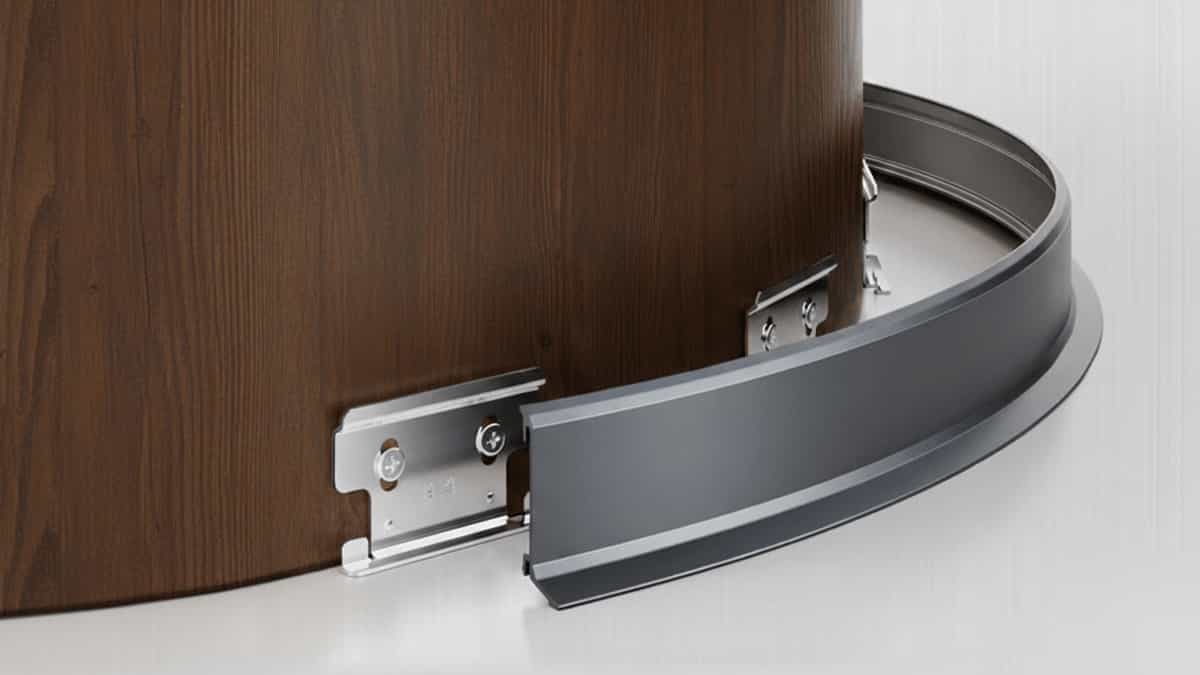
Aluminium skirting boards (or aluminium baseboards) are precision-engineered profiles that create a clean, protective transition between your wall and floor. Surface-mounted for ease, they provide a robust barrier against knocks, moisture, and dirt while delivering a crisp, modern line that complements contemporary Australian design. This move away from traditional timber or PVC represents a shift towards low-maintenance, high-durability materials perfectly suited to the Australian environment and lifestyle.
The Australian Advantage: Why Aluminium Skirting Makes Sense
1. Built for the Australian Climate
Australia’s diverse climates demand materials that won’t fail. Aluminium is inherently:
- Corrosion-Resistant: Especially when anodised to AS 1231 standards or powder-coated, it withstands coastal salt spray in areas like Brisbane, Sydney, or Perth. Unlike steel which rusts, or timber which rots, high-grade aluminium resists pitting and deterioration even in saline environments. For more on how aluminium handles these conditions, see our tips on Aluminium Window Tips for VIC, NSW, and QLD.
- Dimensionally Stable: It will not warp, swell, or crack under the intense Australian sun and heat or during humid summer months, ensuring perfect, gap-free lines year-round.
- Moisture-Proof: Ideal for humid regions (QLD, NT) and wet areas like bathrooms, laundries, and kitchens, where timber can rot and mould.
2. Termite-Proof and Bushfire Resilient
This is a critical Australian-specific benefit. Timber skirting is a known target for destructive termites, a pervasive issue across most of Australia. Aluminium is completely termite-proof, eliminating a potential food source and entry point for pests. Furthermore, in Bushfire Prone Areas (BPAs), aluminium acts as a non-combustible barrier. When installed correctly to eliminate gaps, it provides essential protection against ember attack, a key requirement in maintaining the integrity of the building envelope in BAL (Bushfire Attack Level) zones.
3. Complements Australian Flooring & Design Trends
Australian interiors favour clean lines, natural light, and easy indoor-outdoor flow. Aluminium skirting provides a minimalist profile that doesn’t intrude visually. It works flawlessly with popular Australian flooring:
- Tiles & Stone: Common in Australian homes for their coolness and durability; aluminium provides a perfect, water-resistant joint.
- Polished Concrete: A staple in modern Australian design; the sleek metal finish of aluminium complements its industrial aesthetic.
- Hardwood & Laminate: Aluminium protects walls from vacuum cleaners and mops, preventing costly damage to plasterboard.
For design inspiration that pairs well with this modern trim, see ideas for Modern Aluminium Window Design and Aluminium Sliding Doors, which share the same contemporary ethos.
4. Low Maintenance for the Australian Lifestyle
The “set and forget” nature of aluminium aligns with the Australian desire for easy-living homes. A simple wipe-down is all that’s needed—no painting, sanding, or resealing required every few years like timber. This is particularly valuable in dusty inland areas or sandy coastal zones where maintenance is a constant chore.
5. Compliant and Sustainable
High-quality aluminium skirting systems are manufactured to meet rigorous standards, such as AS 3715 for powder coating durability. Choosing aluminium also supports sustainability: it is 100% and infinitely recyclable, aligning with Australia’s growing focus on green building practices and reducing construction waste. Read more about the Aluminium Recycling Process and Sustainability.
Specification and Installation for Australian Homes
- Common Sizes: Standard heights (40mm, 50mm, 60mm, 80mm, 100mm) suit everything from sleek apartment renovations to robust commercial fit-outs.
- Australian-Preferred Finishes: Brushed aluminium and matte black (powder-coated) are exceptionally popular for their contemporary look and ability to hide minor scratches. Anodised finishes offer superior scratch resistance for high-traffic areas.
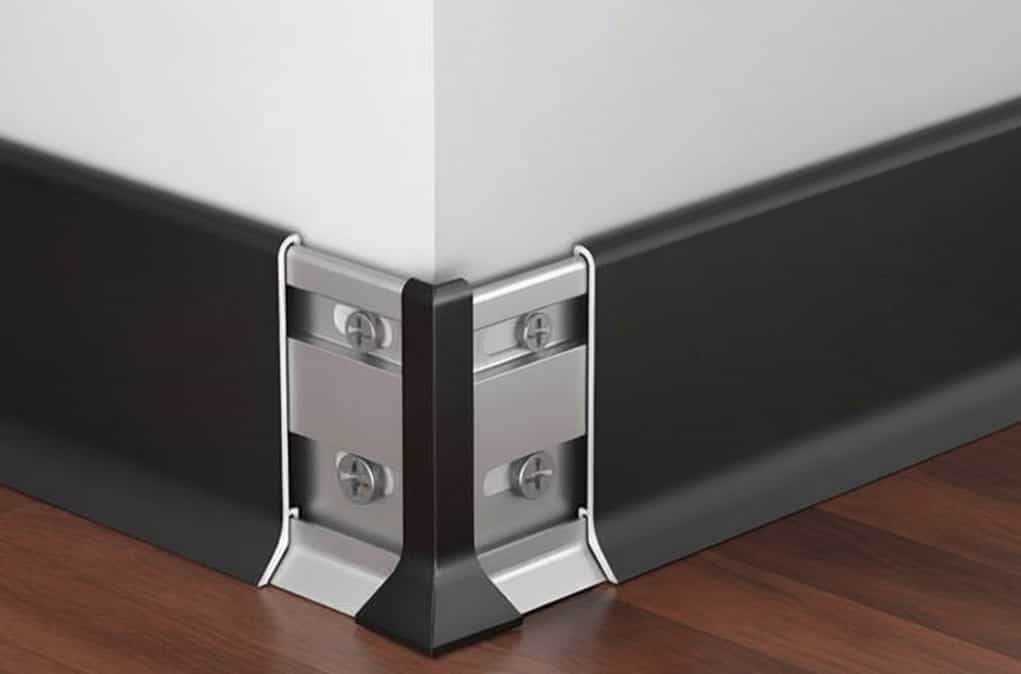
- Straightforward Installation: Can be fixed with screws (for solid brick or concrete) or high-strength adhesive (for plasterboard), making retrofits and new builds equally manageable. A full system with internal/external corners, connectors, and end caps ensures a perfect, professional finish.
Where It Works Best in the Australian Context
- Coastal Homes: From the Gold Coast to Byron Bay, where salt air destroys lesser materials.
- New Builds & Renovations: Especially in states with active termite populations (QLD, NSW, WA).
- Commercial & Public Spaces: Shopping centres, offices, and healthcare facilities requiring durability and hygiene.
- High-Moisture Areas: Australian bathrooms, kitchens, and poolside alfresco areas.
Understanding the broader use of aluminium in challenging climates can be helpful. For instance, see our guide on Aluminium vs. uPVC in Queensland’s Hot, Humid Climate for insights into material performance.
For Australian homeowners and builders, material choices are driven by pragmatism—durability, safety, and low upkeep. Aluminium skirting boards meet and exceed these demands. They solve specific Australian problems like termites, corrosion, and warping, while delivering a modern aesthetic suited to our design vernacular.
Moving from traditional skirting to aluminium is not just an upgrade in style; it’s an investment in a permanent, problem-free solution that will endure the Australian environment for decades. It’s the smart, modern choice for creating beautiful, resilient interiors from Melbourne to Perth, Sydney to Darwin.